

LogistixIQ brings technology, management, and operational execution together for E&P operators, frac companies, and complex bulk operations.
Gain greater control over dispatch, carrier coordination, freight costs, and day-to-day execution, with support that scales from logistics technology to fully managed 4PL services.
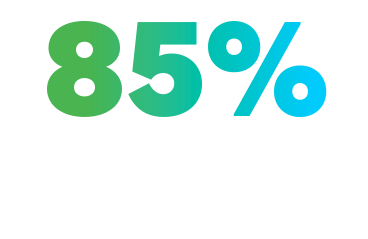
in logistics-driven NPT.
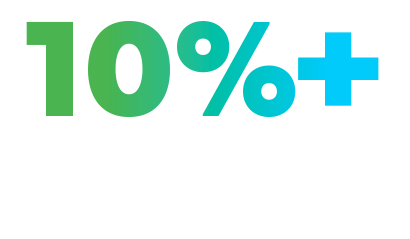
in total logistics costs.

per person per month via ManagedIQ AI-enabled dispatch.

in logistics costs reported by oilfield clients.
More Than Transportation Software
Complex field logistics takes more than a platform. LogistixIQ connects the people, technology, carriers, operational data, and freight controls behind the transportation operation.
Companies can use the technology independently, add support for specific logistics functions, or turn over day-to-day execution through a fully managed 4PL model.
The control layer for bulk field logistics.
One Control Layer Across the Logistics Operation
Logistics becomes harder to manage when dispatch, carrier activity, field information, freight records, and billing live in separate systems. LogistixIQ brings those parts of the operation into a more connected environment. Dispatch teams can manage changing load requirements, maintain visibility into carrier activity, and align transportation decisions with changing field conditions.
Freight records and contracted rates also remain linked to the loads they support, creating a clearer path from dispatch through delivery to invoice validation. The result is greater continuity across the logistics operation and fewer gaps between what was planned, what happened in the field, and what ultimately gets billed.
Choose the Level of Logistics Support You Need
LogistixIQ does not require every customer to operate the same way. Companies can keep logistics management in-house, add support for specific functions, or turn over day-to-day execution to the LogistixIQ team.


Built for High-Consequence Logistics
LogistixIQ is built for operations where transportation performance directly affects production, throughput, and margin.
E&P operators use LogistixIQ to improve coordination across wells, carriers, vendors, and field teams. Frac and service companies use it to manage high-volume material movement as field conditions and demand change.
The same operating model can support other complex bulk environments, including dry bulk, aggregate, construction materials, mining, quarry, and industrial materials.
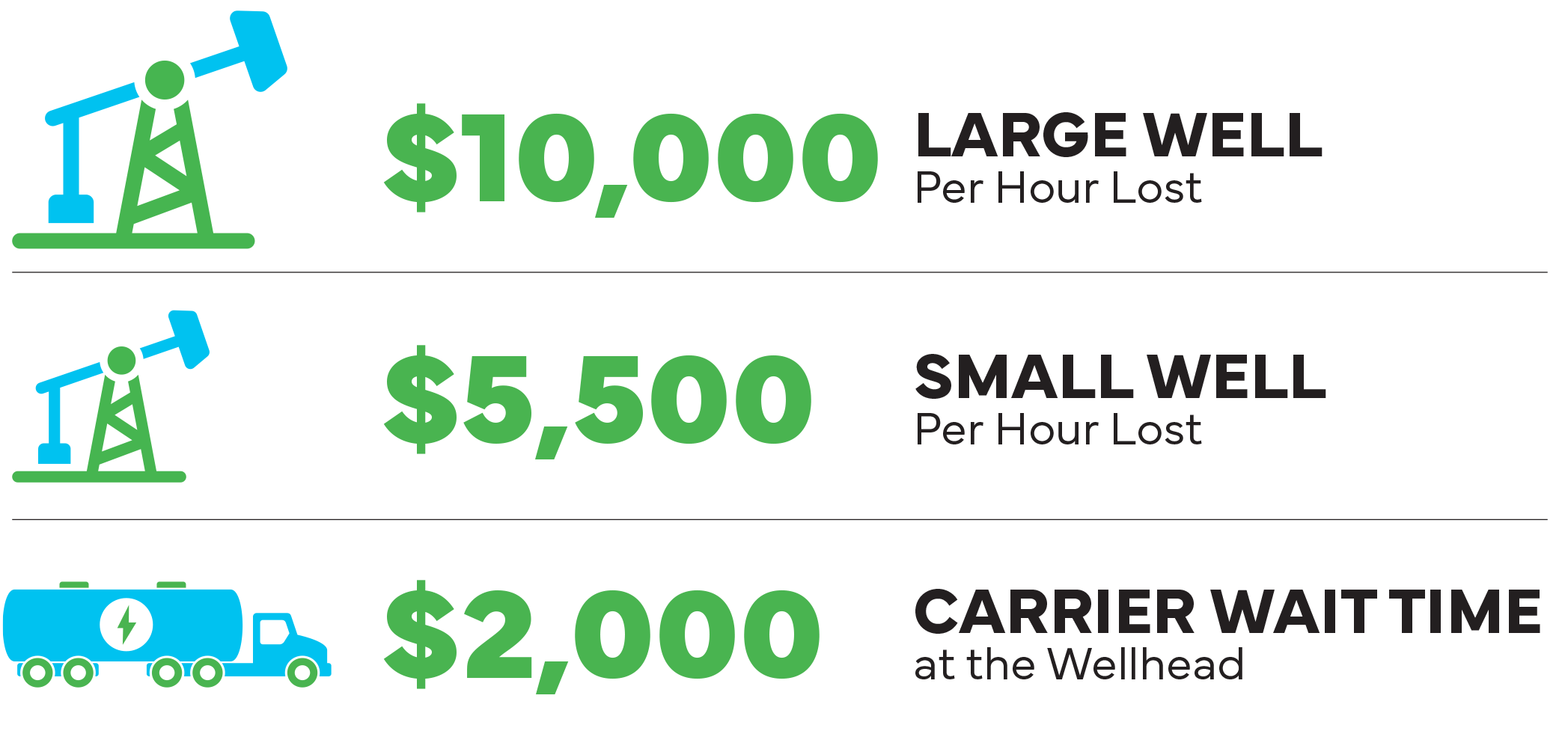
One hour of logistics failure costs:
The LogistixIQ team brings more than
50 years of combined logistics experience across 15+ oilfield basins.
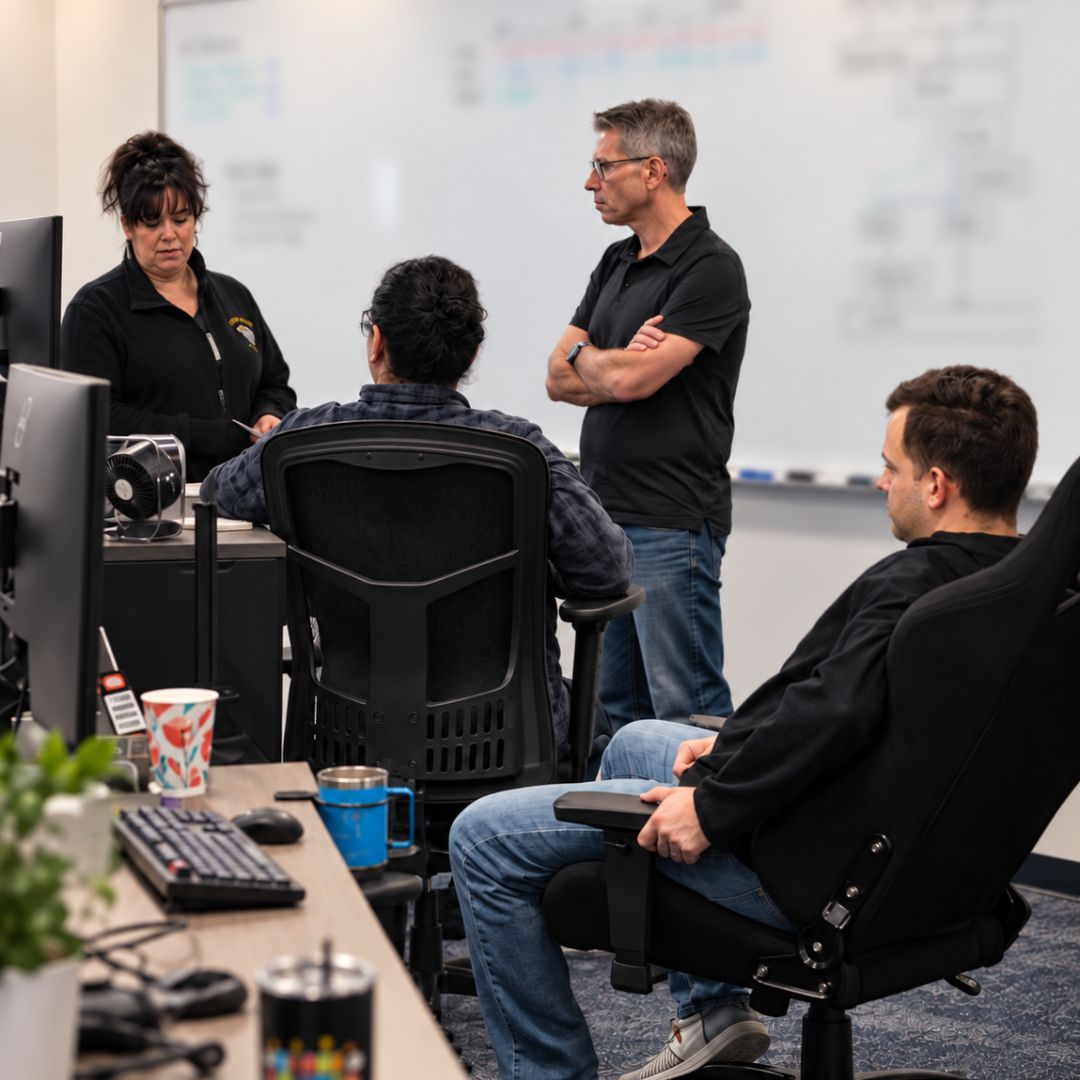
That experience includes the day-to-day realities of dispatch, carrier coordination, freight management, and field logistics.
High-volume field transportation rarely follows a fixed plan. Loads change, priorities shift, carriers fall behind, and field conditions move throughout the day.
LogistixIQ was built around those operating conditions, giving teams a way to respond without adding more administrative work to an already complex logistics environment.
What is a 4PL Logistics Company?
A fourth-party logistics company, or 4PL, takes a broader role in coordinating and managing a customer’s logistics operation.
Unlike a provider that handles only one transportation function, a 4PL can integrate logistics technology, carriers, operational workflows, freight management, and external service providers into a single operating model.
LogistixIQ applies that approach to E&P, frac, and complex bulk operations. Customers can use the technology independently, add targeted managed services, or choose fully managed 4PL execution.
What is the difference between a 3PL and a 4PL logistics company?
A 3PL typically handles a specific logistics function, such as transportation, brokerage, or warehousing. A 4PL takes a broader role by coordinating multiple providers, technologies, and logistics functions across the operation.
LogistixIQ is designed to provide that broader level of control while allowing customers to choose how much operational support they need.
Is LogistixIQ only a software company?
No. LogistixIQ offers logistics technology through SaaSIQ, targeted managed support through AuditIQ, and fully managed 4PL logistics through ManagedIQ.
That structure allows companies to use LogistixIQ as a technology provider, an operational partner, or a fully managed logistics provider depending on the needs of the operation.
Who is LogistixIQ built for?
LogistixIQ is built primarily for E&P operators, frac and service companies, and businesses managing complex, high-volume bulk transportation.
The platform and managed services are designed for environments where transportation performance can affect production, cost, and day-to-day operational continuity.